
- this here if they are not any documents
- Brochure
- White Glove Rural/Dense Delivery Area Chart


- please call for shipping charges.
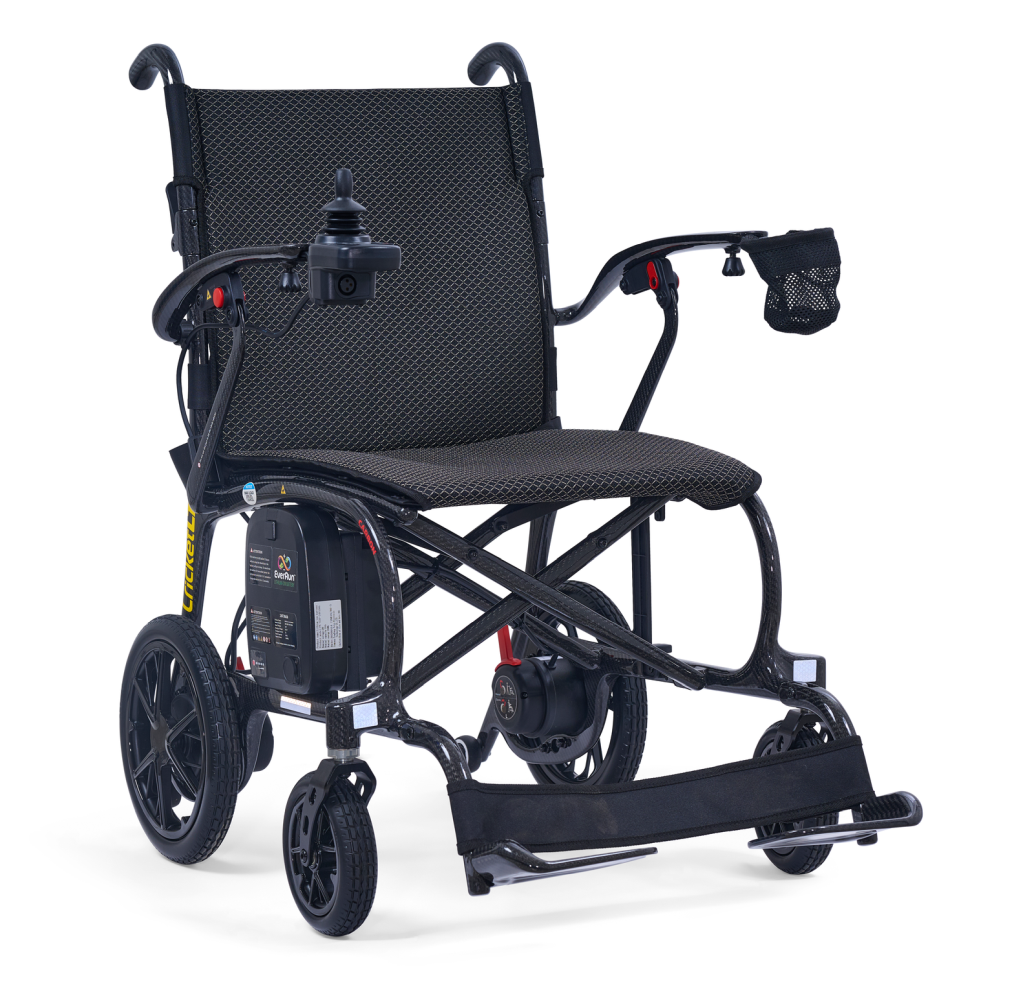
Key Features of the Cricket™ LT GP309:
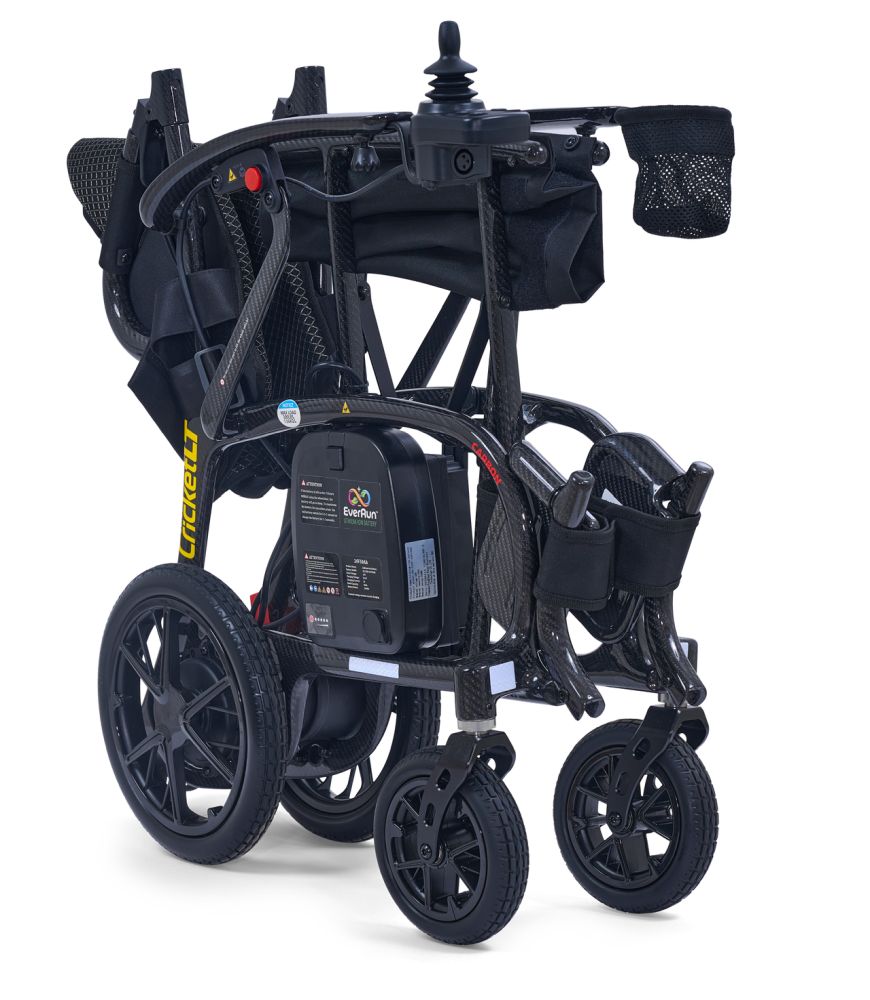
- Innovative Side-Fold Design — Folds to a compact 12″ profile while remaining on its wheels for easier loading, transport, and storage.
- Only 25.8 lbs.* — One of the lightest power wheelchairs in its class.
- Lightweight Carbon Fiber Construction — Engineered for easier lifting, loading, and transport.
- Contoured Memory Foam Cushion Included Standard — Delivers enhanced comfort for everyday use.
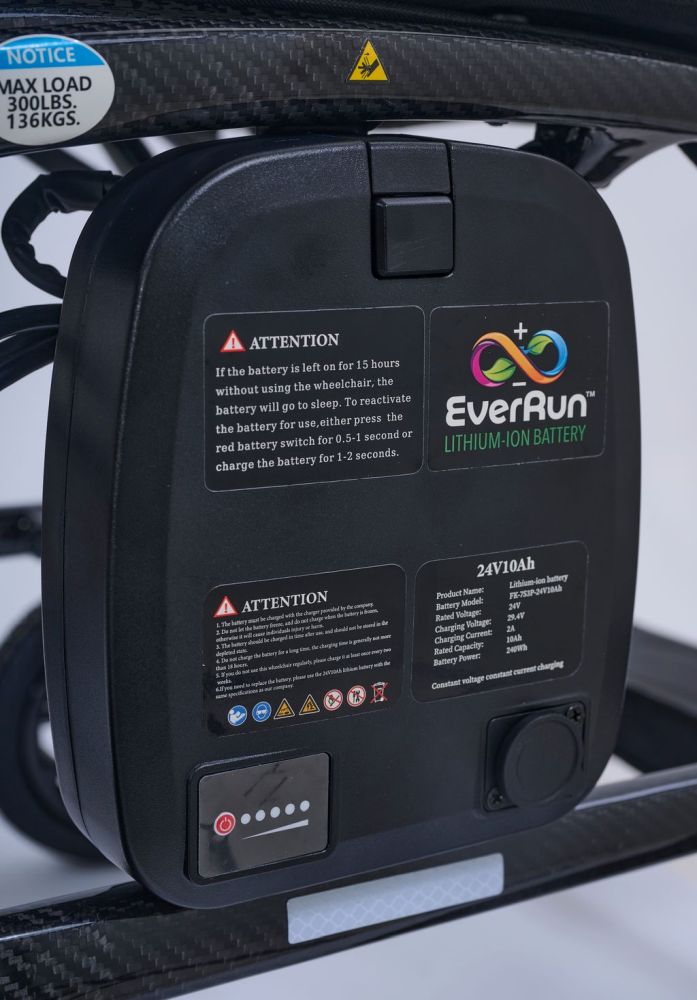
- Airline-Friendly Lithium-Ion Battery — Designed to support travel and active lifestyles.
- Convenient Battery Carry Bag Included Standard — Makes traveling easier when the battery needs to be carried separately.
- 300 lb. Weight Capacity — Durable performance without sacrificing portability.
- Flip-Up Armrests — Simplify transfers in and out of the chair.
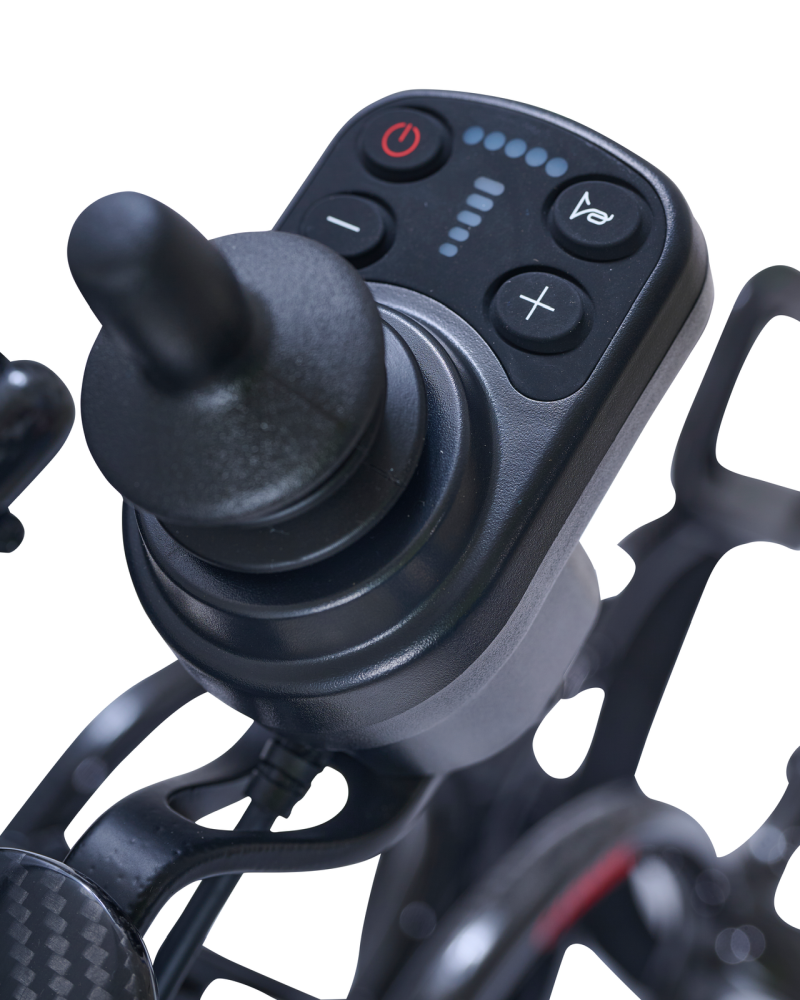
- Compact Joystick with USB Charging Port — Convenient charging for mobile devices while on the go.
- Up to 9.5-mile operating range — Confidence for everyday errands, outings, and travel.
How To Measure For A Power Wheelchair
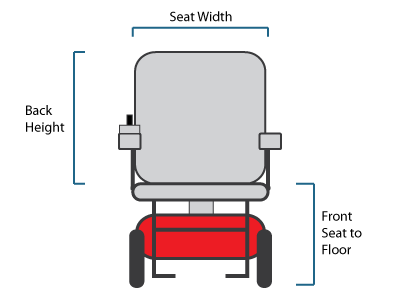
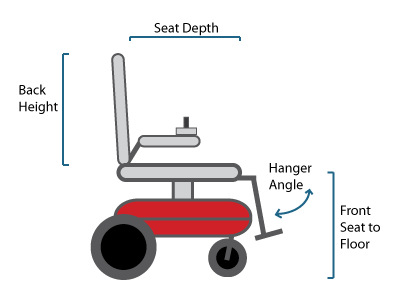 alt="Wheelchair Measuring Diagram - Side"/>
Seat Width: Measure the widest point of your body between the knees and hips. Add at least one inch- to this measurement for some extra breathing room. If you typically wear bulky or heavy clothing, such as during outdoor use in winter, you may wish to add two inches to this measurement to give yourself adequate room to move.
Back Height: This measurement will determine the distance from the seat base to the top of the wheelchair's seat back. Typically, you'll want to measure from the most posterior point of your body to the center point between your shoulder blades. Some users may prefer a higher back for added support, but remember that the higher the back of the chair is, the less room you'll have to rotate your upper body while seated.
Front Seat to Floor: Measure your leg from the back of your knee to the sole of your foot. Unless you are choosing a foot-propelled wheelchair, you will want to add two inches to this measurement to give yourself plenty of clearance for a footrest.
Seat Depth: Measure from the most posterior point of your body to the interior of your knee, deducting two inches from the total. You may require a greater amount of leg overhang to lift your legs during use; if so, consult your rehabilitation professional for guidance on adjusting your measurements accordingly, or speak with one of our power wheelchair specialists by dialing 1 (800) 794-9813 to get the right fit.
Hanger Angle: This measurement specifies how far your toes will extend from your body when seated, and is measured horizontally. The tighter your hanger angle, the less space you'll need to turn your wheelchair around. The flexibility of your legs and knees may also impact the hanger angle you will want to choose. Most wheelchairs have a hanger angle of about 70 degrees, and the farthest hanger angle available on any wheelchair is 60 degrees. Pediatric chairs have a hanger angle of 90 degrees to accommodate the shorter leg length of child users. A hanger angle is difficult for a wheelchair user to measure on their own, so we highly recommend calling one of our power wheelchair experts at 1 (800) 794-9813 to help you find a chair with the optimal hanger angle for your needs.